
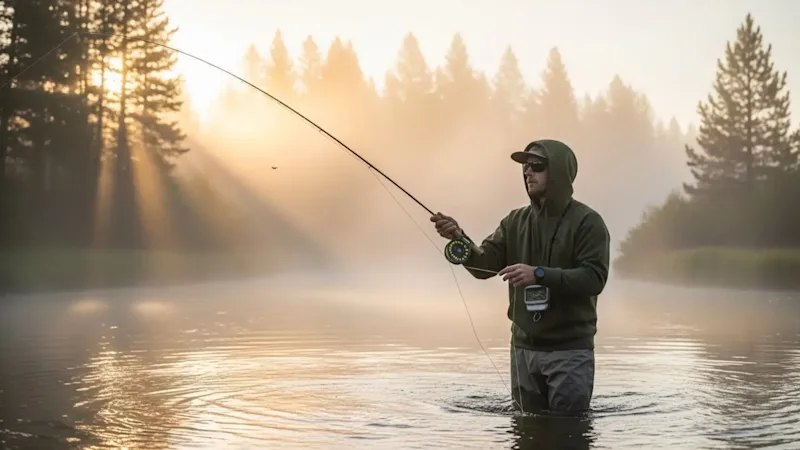
Best Fishing Hoodies: Warm, Functional Gear for Early Morning Anglers
Performance apparel designed for anglers who understand that early mornings on the water require more than just any warm layer
Best Fishing Hoodies: Warm, Functional Gear for Early Morning Anglers
Here's what most people assume about fishing hoodies: they're just regular hoodies worn while fishing, that any warm layer works fine on the water, or that serious anglers don't need specialized apparel for different fishing conditions. The reality? The right fishing hoodie makes the difference between productive morning sessions and cold-shortened trips, between comfortable all-day fishing and constant temperature adjustments, between gear that performs in wet conditions and cotton that stays damp for hours.
The gap between generic athletic hoodies and purpose-built fishing hoodies becomes obvious within the first hour on the water. Stand at any Colorado trailhead accessing high-country streams at dawn and you'll see the difference—experienced anglers wearing technical hoodies designed for temperature regulation and moisture management, while newcomers shiver in cotton sweatshirts that absorbed morning dew and never dried out.
What Makes Fishing Hoodies Different From Regular Hoodies
Fishing hoodies aren't just branded versions of standard athletic wear. They're designed specifically for the unique demands of spending hours near water in variable conditions, often starting pre-dawn in cold temperatures and continuing through midday sun.
The challenges fishing hoodies need to address:
Early morning cold followed by midday heat
Moisture from rain, splash, and morning dew
Sun exposure during long days on water
Need for mobility during casting and movement
Durability against fish slime, hooks, and rough handling
Quick-dry performance when wet
Odor resistance after multiple fishing sessions
Regular hoodies fail in fishing conditions because they're designed for dry environments with stable temperatures. Cotton absorbs moisture and stays wet. Standard athletic materials work for gym sessions but struggle with all-day outdoor exposure. Fashion hoodies prioritize style over performance and fall apart under fishing use.
Fishing hoodies solve these problems through material selection, construction details, and features specifically designed for angling conditions. The difference isn't marketing—it's measurable performance when you're standing in a river at 6 AM or fighting a fish under afternoon sun.
When You Actually Need a Fishing Hoodie
Fishing hoodies occupy specific temperature and condition ranges where they outperform other options. Understanding when to wear them maximizes their value.
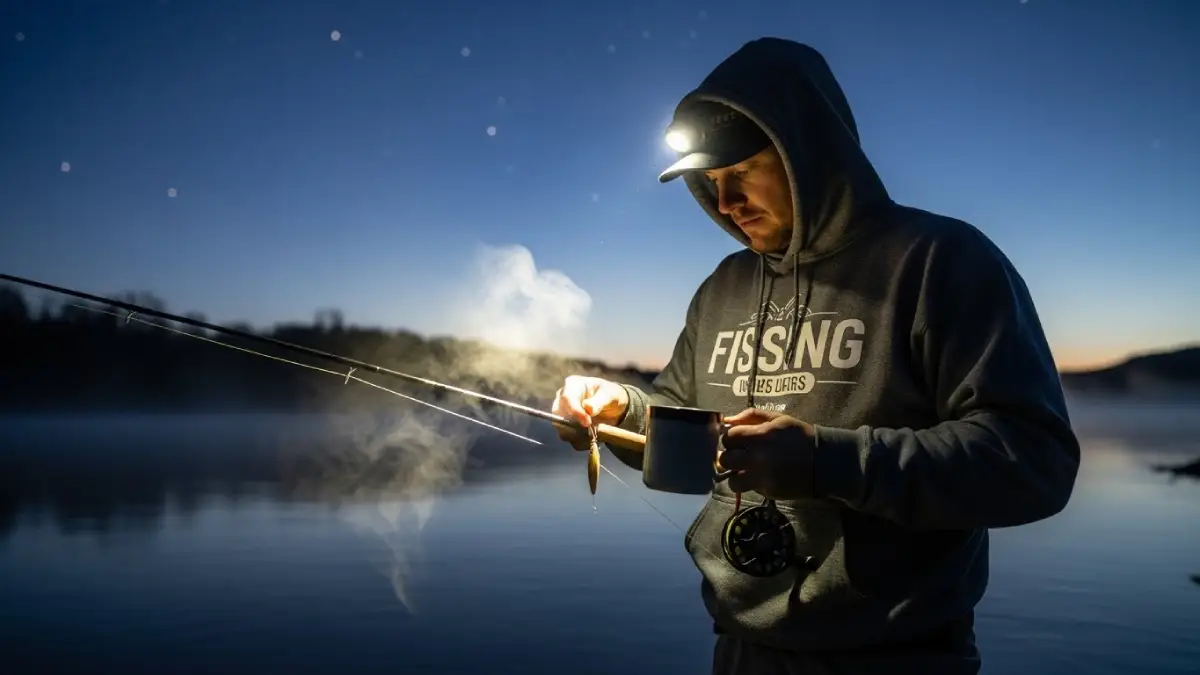
Dawn and Dusk Sessions
Early morning fishing—the best time for many species—means starting in cold temperatures that rapidly warm as sun hits the water. Fishing hoodies excel in this temperature transition because they provide warmth during cold starts while remaining breathable enough to vent heat as temperatures rise.
For Colorado high-country streams, early summer mornings might start at 40°F and reach 70°F by mid-morning. A quality fishing hoodie handles this 30-degree swing without requiring constant layering changes that disrupt fishing focus.
Cool Weather All-Day Fishing
Fall and spring fishing often means sustained cool temperatures throughout the day. Fishing hoodies provide consistent warmth without the bulk of heavy jackets, allowing full casting range while maintaining comfort during long sessions.
The key is choosing hoodies with enough insulation for cool conditions without overheating during active fishing. Lightweight fleece-lined or midweight technical fabrics work best for this temperature range—roughly 45-60°F.
Variable Mountain Weather
Colorado's mountain weather famously changes rapidly. Fishing hoodies serve as adaptable mid-layers that handle sudden temperature drops, brief rain showers, and wind without requiring you to pack multiple specialized layers.
The hood itself provides critical protection during unexpected weather. When clouds roll in or wind picks up, pulling up your hood maintains warmth and focus without interrupting your fishing rhythm.
Sun Protection for Long Sessions
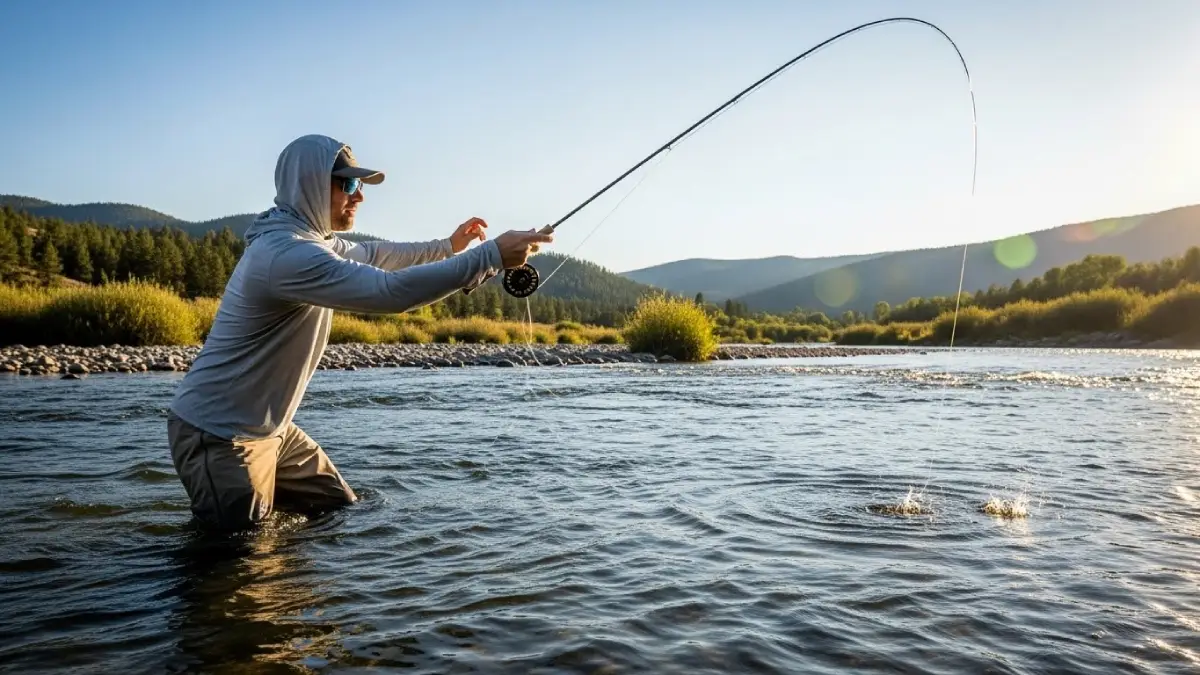
Counterintuitively, fishing hoodies work well in warm conditions when you need sun protection for all-day exposure. Lightweight hoodies with high UPF ratings protect arms, neck, and head from intense UV while remaining cool through moisture-wicking and ventilation.
Many experienced anglers prefer lightweight fishing hoodies over traditional sun shirts specifically because the hood provides neck and head coverage that hats alone don't fully protect.
Material Science: What Fishing Hoodies Should Be Made From
The material determines whether a fishing hoodie performs or fails. Different fabrics offer distinct advantages depending on your fishing style and conditions.
Synthetic Performance Fabrics
Polyester and polyester blends dominate quality fishing hoodies because they manage moisture effectively, dry quickly, and maintain performance through repeated exposure to water and weather.
Synthetic fabric advantages:
Rapid moisture wicking away from skin
Quick-dry performance when wet
Maintains insulation even when damp
Resists odor buildup better than cotton
Durable through hard fishing use
Typically includes UPF sun protection
The best fishing hoodies use high-quality synthetic fabrics engineered specifically for outdoor performance—not cheap polyester that feels plasticky and traps sweat.
Merino Wool Blends
Merino wool offers natural performance properties that synthetic fabrics struggle to match: superior odor resistance, temperature regulation across wide ranges, and soft comfort against skin.
Merino fishing hoodie benefits:
Natural odor resistance (wear multiple days without washing)
Excellent temperature regulation (warm when cold, cool when warm)
Moisture management through natural fiber properties
Soft, non-itchy feel (modern merino)
Sustainable and biodegradable material
Merino fishing hoodies cost more than synthetic options but excel for multi-day fishing trips where washing isn't practical and for anglers who prefer natural fibers over plastics.
Fleece-Lined Performance Hoodies
For cold-weather fishing, fleece-lined hoodies provide exceptional warmth-to-weight ratio. Quality fleece linings add insulation without bulk, maintaining mobility while significantly increasing temperature range.
Fleece-lined considerations:
Substantial warmth increase for minimal weight
Still breathable for active fishing
Typically features performance outer shell
Best for sustained cold conditions (below 50°F)
Slightly slower drying than single-layer options
Cotton: Why It Fails in Fishing Conditions
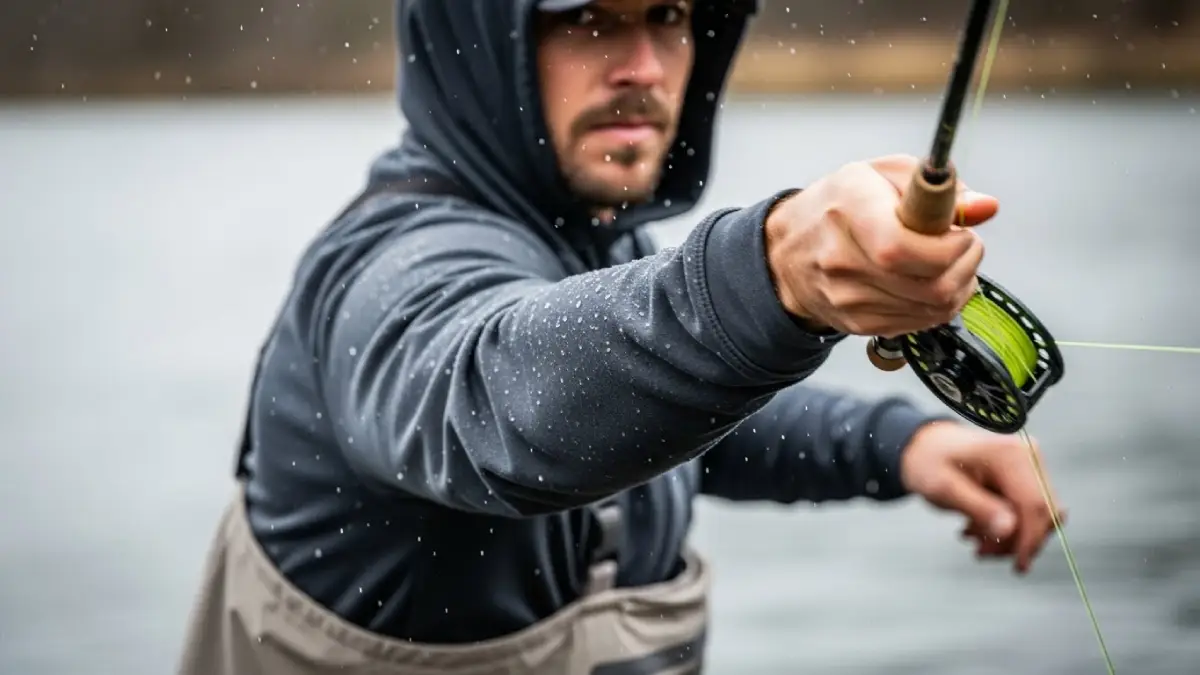
Traditional cotton hoodies feel comfortable initially but become liabilities in actual fishing conditions. Cotton absorbs moisture readily—from rain, splash, morning dew, or sweat—and dries slowly.
Wet cotton loses insulation value, creates clammy discomfort, and can contribute to hypothermia in cold conditions. The "cotton kills" mantra from hiking applies equally to fishing. Save cotton hoodies for casual wear, not actual fishing.
Essential Features of Quality Fishing Hoodies
Beyond base materials, specific features separate fishing-specific hoodies from general outdoor apparel.
Hood Design and Functionality
The hood itself varies significantly in design and utility. The best fishing hoodies feature hoods that actually stay on your head during movement and wind, provide meaningful coverage, and don't obstruct vision or hearing.
Critical hood features:
Adjustable drawcords for secure fit
Adequate size to fit over fishing hats if needed
Cut that doesn't restrict head movement or peripheral vision
Durable construction at high-stress points
Ability to cinch down in wind or fold back when not needed
Poorly designed hoods constantly slip off, block vision during casting, or create annoying bulk when down. Test hood functionality before committing to a fishing hoodie.
Pocket Configuration
Fishing hoodies need functional pocket designs that actually work on the water. Standard kangaroo pockets work fine but lack organization. Better fishing hoodies include:
Useful pocket features:
Zippered security for valuables and phone
Interior stash pocket for fishing license
Mesh drainage if pockets get wet
Positioned to avoid interference with waders or fishing vest
Adequate depth to prevent items falling out during movement
Consider what you actually carry while fishing and choose pocket configurations that accommodate your specific needs.
Thumb Holes and Cuff Design
Thumb holes keep sleeves in place and extend hand coverage—valuable features for cold morning fishing. Quality fishing hoodies include reinforced thumb holes that maintain shape through use.
Cuff design matters for moisture management. Ribbed cuffs with good elastic recovery keep sleeves in place without becoming stretched out. Some fishing hoodies feature hook-and-loop cuff closures for adjustable fit.
UPF Sun Protection Rating
All-day fishing means significant sun exposure. Quality fishing hoodies incorporate UPF-rated fabrics that block harmful UV radiation—typically UPF 30-50 for fishing-specific apparel.
This sun protection doesn't wash out or degrade like sunscreen, providing consistent coverage throughout long fishing days. For Colorado's intense high-altitude sun, UPF-rated fishing hoodies offer crucial protection.
Odor Resistance Technology
Fish have exceptional smell detection. While the significance of clothing odor is debated among anglers, many prefer odor-resistant fishing hoodies both for fish-related reasons and for practical multi-day wear without washing.
Odor resistance comes from either natural fibers (merino wool) or antimicrobial treatments in synthetic fabrics. This feature particularly matters for multi-day fishing trips or anglers who fish frequently without washing gear between sessions.
Durability and Reinforcement
Fishing is rough on clothing. Hooks snag fabric, fish slime creates stains, and constant movement causes wear. Quality fishing hoodies feature reinforced construction at stress points and durable materials that survive seasons of hard use.
Look for double-stitched seams, reinforced shoulder and elbow areas, and quality zippers that function reliably even when wet or dirty.
Fishing Hoodie Styles for Different Angling Pursuits
Different fishing styles create different hoodie requirements. Match your hoodie choice to your primary fishing approach.
Fly Fishing Hoodies
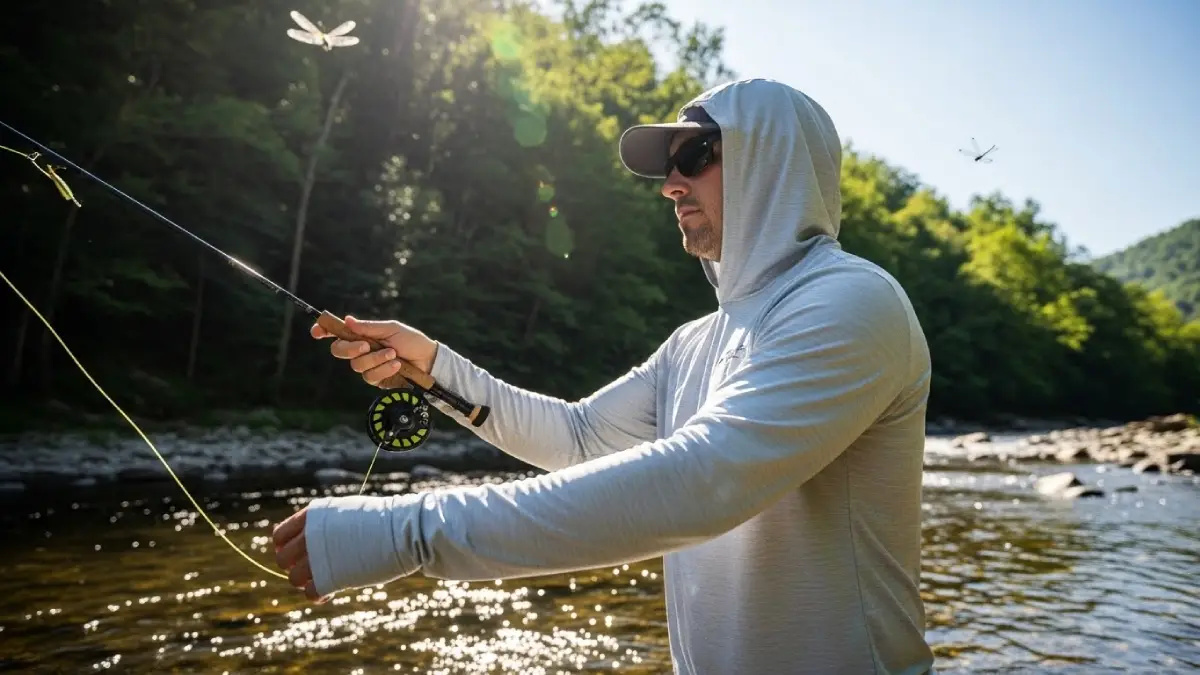
Fly fishing demands exceptional range of motion for casting. The best fly fishing hoodies feature athletic cuts that don't restrict arm movement, lightweight materials that don't fatigue during long casting sessions, and streamlined designs that don't interfere with fly line.
Fly fishing hoodie priorities:
Unrestricted shoulder and arm mobility
Lightweight fabrics that don't add bulk
Streamlined fit that doesn't catch fly line
Quick-dry performance for wade fishing
Often lighter weight since fly fishing is active
For Colorado's high-country streams, fly fishing hoodies need to handle morning cold and rapid temperature increases as sun hits narrow canyon waters.
Conventional and Spin Fishing Hoodies
Conventional fishing often involves less continuous casting than fly fishing, allowing slightly heavier or warmer hoodies. These hoodies can prioritize warmth over extreme mobility.
Conventional fishing hoodie features:
Slightly relaxed fit for comfort during stationary fishing
Adequate warmth for less active fishing styles
Good pocket organization for tackle and accessories
Durable materials for boat fishing environments
Water-resistant treatments for spray and splash
Ice Fishing and Cold Weather Fishing Hoodies
Ice fishing and extreme cold fishing require maximum warmth while maintaining enough mobility for jigging and fighting fish through small holes.
Cold weather fishing hoodie requirements:
Heavy fleece lining or insulated construction
Wind-resistant outer shells
Extended coverage (longer body and sleeves)
Compatibility with layering systems
Face mask integration for extreme cold
These hoodies often layer under ice fishing bibs and heavy outerwear, providing crucial base warmth.
Kayak and Float Tube Fishing Hoodies
Fishing from kayaks or float tubes creates specific challenges—extended time seated, potential for getting wet, limited ability to change layers mid-session.
Paddling angler hoodie needs:
Quick-dry fabrics for inevitable wetness
Comfortable fit while seated for hours
Adequate mobility for paddling and casting
Reflective elements for low-light safety
Easily cleaned (kayak fishing gets messy)
Layering Fishing Hoodies for Variable Conditions
Fishing hoodies work best as part of intelligent layering systems that adapt to changing conditions without requiring constant gear changes.
Base Layer + Fishing Hoodie
For cool to moderate conditions (45-60°F), a moisture-wicking base layer plus quality fishing hoodie provides complete comfort. This combination manages sweat from active fishing while providing enough warmth for cool air and water.
Choose lightweight base layers that won't create bulk under your hoodie. Save heavy base layers for truly cold conditions.
Fishing Hoodie as Mid-Layer
In cold weather, fishing hoodies function excellently as mid-layers under shells or jackets. Their hood adds extra warmth and weather protection, while the breathable fabrics prevent overheating during active fishing.
This layering approach allows you to remove outer layers as temperatures rise without losing the fishing-specific features of your hoodie.
Summer Sun Protection Layering
Lightweight fishing hoodies over moisture-wicking shirts create effective sun protection for hot weather fishing. The hoodie blocks UV while allowing airflow, and you can wet the hoodie for evaporative cooling during extreme heat.
This seems counterintuitive but works better than fishing in just a t-shirt, which leaves arms and neck exposed to damaging sun.
Fishing Hoodie Care and Longevity
Quality fishing hoodies represent meaningful investment. Proper care extends their useful life significantly.
Washing and Drying
Most fishing hoodies perform best with regular washing—removing fish oils, dirt, and odors that accumulate during use. Follow manufacturer instructions but generally:
Wash in cold water with technical fabric detergent
Avoid fabric softeners (they reduce moisture-wicking)
Air dry or use low heat settings
Don't over-dry (damages elastic elements)
Wash after particularly messy fishing sessions
Some odor-resistant hoodies (especially merino) can be worn multiple times between washings, but don't let fish oils and slime accumulate indefinitely.
Storage and Maintenance
Store fishing hoodies clean and dry in well-ventilated areas. Don't compress them tightly in gear bags for extended periods—this damages insulation and elastic elements.
Inspect regularly for damage—repair small tears before they enlarge, reinforce areas showing wear, and replace hoodies that have lost performance properties (no longer managing moisture or maintaining warmth).
Dealing with Fish Smell
Fish odor in clothing is inevitable. Beyond regular washing:
Rinse hoodies immediately after particularly fishy sessions
Use enzyme-based odor eliminators designed for technical fabrics
Avoid letting fish slime dry completely (rinse fresh)
Air out between uses rather than stuffing in closed bags
Consider keeping separate hoodies for extremely messy fishing (catfish, carp)
What Not to Expect from Fishing Hoodies
Managing expectations prevents disappointment and helps you choose appropriate hoodies for your actual needs.
Fishing Hoodies Aren't Rain Jackets
Most fishing hoodies handle light moisture and brief showers but aren't designed for sustained rain. They're breathable mid-layers, not waterproof shells. For rainy fishing, layer a proper rain jacket over your fishing hoodie.
Some fishing hoodies include DWR (durable water repellent) treatments that cause water to bead off initially, but this isn't waterproofing—just temporary moisture resistance.
They're Not Extreme Cold Insulation
Fishing hoodies provide warmth in cool to moderate cold conditions but aren't substitutes for serious insulation in extreme cold. For ice fishing in brutal cold or winter fishing in harsh conditions, you need dedicated insulated jackets.
Fishing hoodies work best roughly 35-65°F depending on weight and construction. Outside this range, you need specialized layers.
Cheap Hoodies Won't Perform Like Quality Options
The difference between a $30 generic hoodie and a $80-120 fishing-specific hoodie isn't just branding—it's measurable performance. Cheap hoodies use inferior materials, skip critical features, and fall apart quickly under fishing use.
Quality fishing hoodies cost more upfront but provide significantly better performance and durability. This isn't optional luxury—it's functional necessity for serious anglers.
Why Fishing Hoodies Matter in Angling Culture
In fishing communities—particularly fly fishing culture—what you wear communicates understanding of the pursuit. Quality fishing hoodies signal that you take angling seriously enough to invest in proper gear.
This isn't about status or fashion. It's about demonstrating respect for the sport and the fish through proper preparation. The angler shivering in inadequate clothing isn't just uncomfortable—they're distracted from reading water, detecting strikes, and fishing effectively.
Fishing hoodies also create community identity. Whether it's custom hoodies representing your fishing crew, designs referencing local waters, or apparel acknowledging the philosophical dimensions of why you fish, hoodies become badges of belonging.
The best fishing hoodies in angling culture share characteristics:
Performance that matches the claims
Design aesthetic that respects fishing traditions
Durability that survives actual fishing use
Features that demonstrate understanding of angling needs
Style that works both on water and around town
Choosing Fishing Hoodies That Actually Work
Selecting the right fishing hoodie requires matching features to your specific fishing style, conditions, and priorities.
Questions to Answer Before Buying
What's your primary fishing style? (fly, spin, ice, kayak)
What temperature range do you fish most often?
Do you fish dawn/dusk or midday?
How active is your fishing? (constant casting vs. stationary)
Do you wade, fish from shore, or use a boat?
How often do you fish? (investment vs. occasional use)
Do you fish multi-day trips requiring odor resistance?
These answers guide material selection, weight choice, and feature priorities.
Testing and Evaluating
If possible, test fishing hoodies before committing. Wear them during actual fishing—not just around the house. Evaluate:
Mobility during casting and fish fighting
Temperature regulation during activity
How the hood functions in wind
Pocket accessibility while wearing waders or vest
Comfort during extended wear
Moisture management when you sweat
What feels fine for 20 minutes might reveal issues during 6-hour fishing sessions.
Investment vs. Budget Decisions
Fishing hoodies range from $40 generic options to $150+ premium fishing-specific apparel. The right choice depends on how often you fish and how demanding your conditions are.
Budget tier ($40-60): Occasional anglers in moderate conditions Mid-range ($60-100): Regular anglers wanting solid performance Premium ($100-150+): Serious anglers fishing frequently in demanding conditions
Buy once cry once applies—quality fishing hoodies last years of hard use while cheap options need replacement after one season.
The Philosophy of Fishing Hoodies
For some anglers, fishing transcends recreation—it's meditation, therapy, spiritual practice, or pursuit of truths that exist beyond language. The gear we choose reflects this deeper engagement.
A fishing hoodie isn't just warmth and sun protection. It's your uniform for those pre-dawn drives to secret waters, your companion during solitary sessions where the only sounds are moving water and your own thoughts, your protection during the moments when fishing becomes something closer to prayer than sport.
The right fishing hoodie acknowledges what fishing actually is for those of us who need it: connection to wildness, escape from digital overwhelm, engagement with mysteries that resist explanation, pursuit of challenges where success can't be purchased or guaranteed.
When you're standing in moving water at dawn watching mist rise off the surface, when you're working a dry fly through a run you've studied for hours, when you're experiencing the specific silence that only exists in wild places before the world wakes—your fishing hoodie isn't just apparel. It's part of the ritual that transforms fishing from pastime into practice.
Fishing Hoodies That Honor the Pursuit
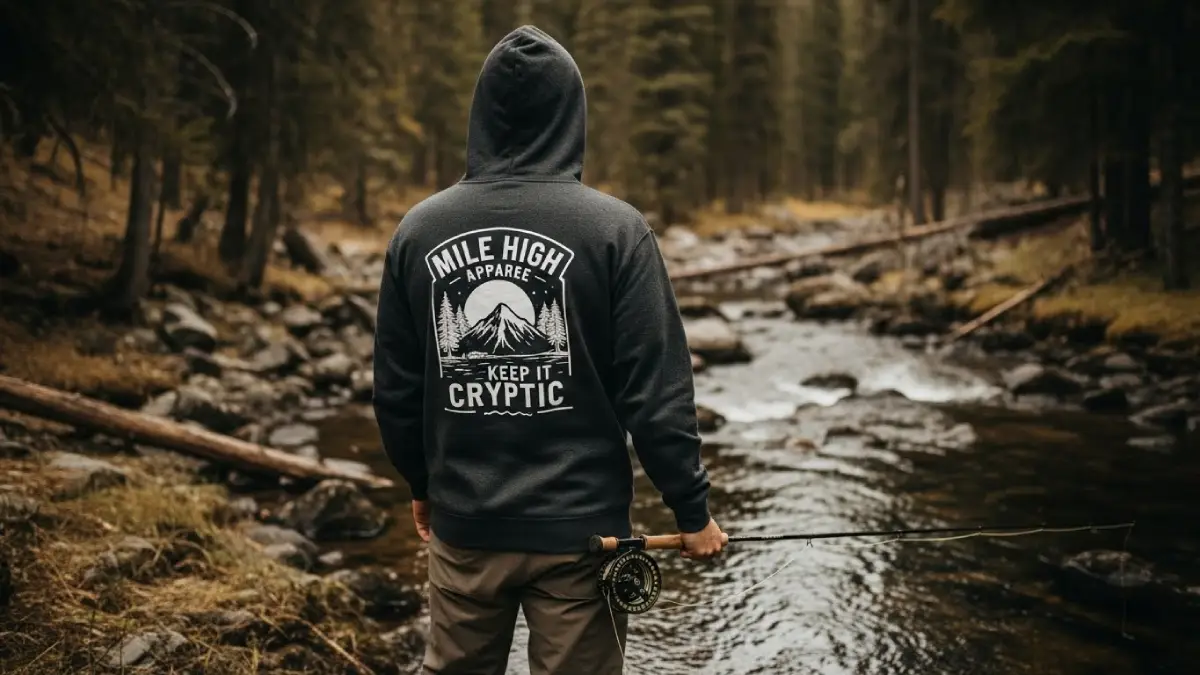
Mile High Apparel designs fishing hoodies specifically for anglers who understand that fly fishing is a universal language—even aliens get it. Our hoodies acknowledge the intersection of technical performance and deeper meaning, combining moisture-wicking fabrics and UPF protection with designs that reference cryptid encounters, philosophical inquiry, and the beautiful mysteries hiding in Colorado's headwater streams.
We create fishing hoodies for the anglers who fish not just for the catch but for the questions fishing asks, for the peace wild water provides, for the reminder that some things still resist commodification and digital capture. Our designs work equally well for working dry flies on technical tailwaters or exploring high-country streams where the only witnesses might be Bigfoot.
Quality fishing hoodies serve practical needs—they keep you warm, dry, and protected through long days chasing trout. But the best fishing hoodies also honor what fishing means to those of us who return to the water not out of obligation but necessity, not for sport but for sanity, not to conquer but to connect.
Whether you're pursuing selective trout on Colorado's legendary rivers, exploring remote headwater creeks, or simply seeking the specific clarity that only comes from hours of focused attention on moving water, your fishing hoodie should work as hard as you do and mean as much as the pursuit itself.