
Fishing Gloves: What Actually Works on Colorado's Headwater Streams
A Colorado fly fisherman's guide to gloves that actually work at elevation
Here's what nobody tells you about fishing gloves until you're standing waist-deep in a Colorado headwater stream in March with numb fingers trying to tie on a size 18 Blue-Winged Olive: the gloves that look perfect in the catalog photos are usually garbage when it comes to actual fishing, and the gloves that work well enough to keep using are rarely the ones you thought you needed when you started researching.
The fishing glove market operates on a fundamental lie of omission. Every product description promises warmth and dexterity in equal measure, as if these two qualities aren't locked in a zero-sum battle where gaining one means sacrificing the other. Marketing copy emphasizes "maximum grip" and "superior insulation" without acknowledging that you literally cannot have both at the same time with current material science. And nobody—absolutely nobody—mentions the single most important fact about fishing gloves: they're going to get wet, and once they're wet, everything changes.
This isn't a product review disguised as information. If you're looking for Amazon affiliate links and carefully worded endorsements of whichever brand paid for placement, you'll find those elsewhere. This is what actually works when you're fishing Colorado streams where the water temperature hovers around 40 degrees even in summer, where afternoon thunderstorms appear without warning, and where the difference between a productive day and heading home early often comes down to whether your hands can still function after the first hour.
Understanding What You're Actually Buying
The phrase "fishing gloves" encompasses such a wide range of products that using it as a search term is almost meaningless. You'll find everything from $8 cotton gloves with rubberized palms designed for handling catfish in Texas summer heat to $120 Gore-Tex expedition gloves engineered for ice fishing in Minnesota. These products solve completely different problems, and buying the wrong type means wasting money on gear that won't work for your specific situation.
Most anglers approach glove shopping backwards. They start with temperature—"I need gloves for cold weather fishing"—and end up with whatever the store employee or algorithm recommends. The better approach starts with understanding what specific tasks your hands need to perform and what environmental factors will affect glove performance. Only then can you make an informed decision about which style and material combination makes sense.
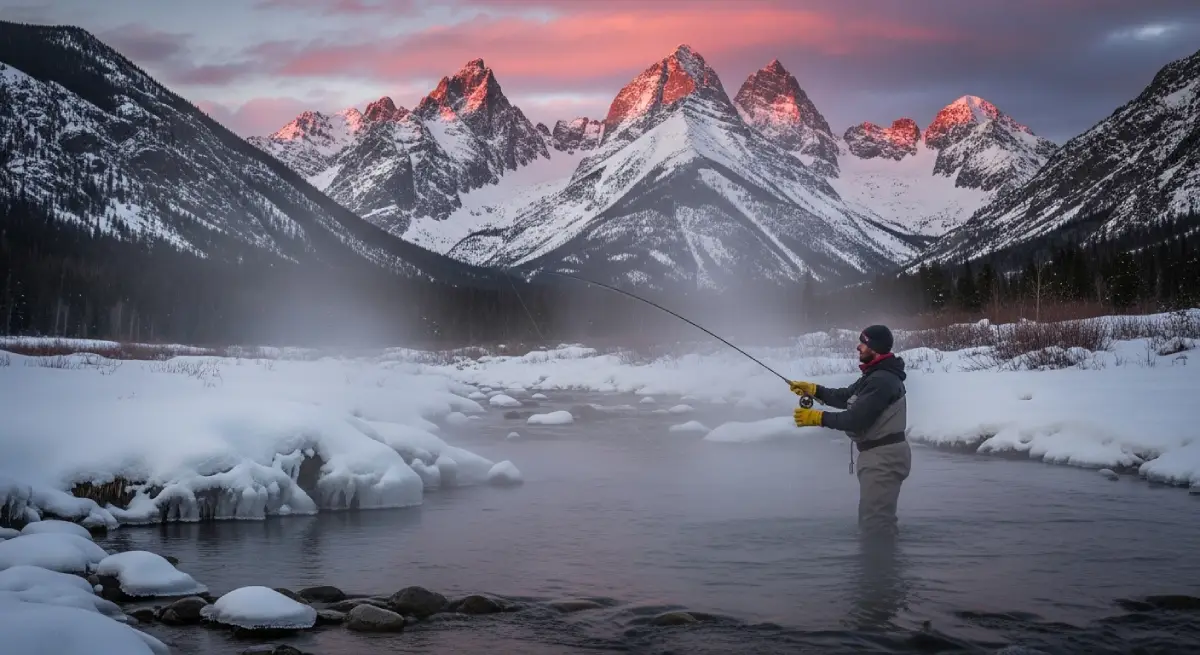
Colorado fly fishing presents a unique set of challenges that inform glove selection. The water is cold year-round because it originates from snowmelt, not because winter temperatures make it cold. This means even summer fishing involves prolonged exposure to water that's cold enough to significantly impact hand function. The elevation affects everything—thinner air means more intense UV exposure even on cloudy days, and rapid weather changes are the norm rather than the exception. You might start fishing at dawn in 35-degree temperatures and finish at noon when it's 70 degrees, which means your gear needs to handle a 35-degree temperature swing in a single session.
Add in the technical demands of fly fishing—delicate presentations requiring sensitive line feel, frequent fly changes demanding manual dexterity for knot tying, and the need to handle fish gently without excessive handling time—and you start to see why finding the right fishing gloves is more complicated than just buying "warm waterproof gloves" and calling it done.
The Warmth Versus Dexterity Problem
Every fishing glove sits somewhere on the spectrum between maximum warmth and maximum dexterity. Move toward warmth and you add insulation, which adds bulk, which reduces feel and manipulative ability. Move toward dexterity and you reduce material thickness, which reduces insulation, which means colder hands. There is no magic glove that solves this problem because physics doesn't care about your preferences.
Understanding this trade-off is essential because it forces you to make an honest assessment of what matters more in your specific fishing situation. If you're streamer fishing for brown trout in November where you're making long casts and not changing flies frequently, warmth probably matters more than the ability to tie intricate knots. If you're sight fishing to selective trout on technical spring creek water where you might change flies a dozen times in an hour, dexterity becomes paramount even if it means accepting colder hands.
The mistake most anglers make is trying to optimize for both simultaneously. They buy expensive gloves marketed as offering "superior warmth without sacrificing feel" and then complain when the gloves either aren't warm enough or don't provide adequate dexterity. This isn't a glove failure—it's an expectation failure. The angler expected a product that violates fundamental physical principles.
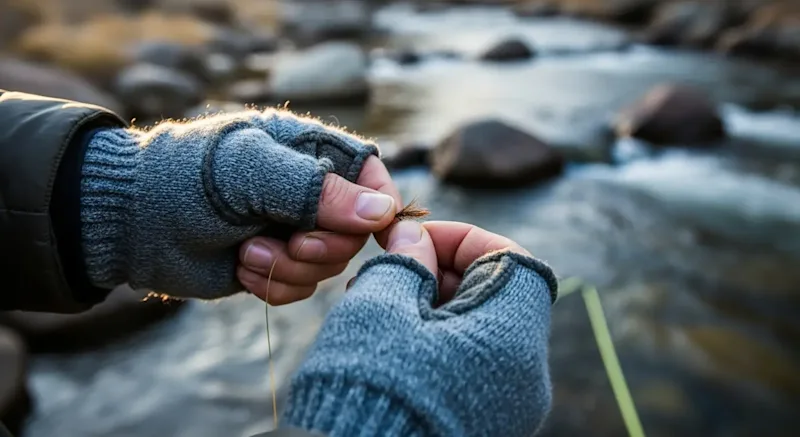
Experienced Colorado fly fishers typically own multiple pairs of gloves and choose based on conditions. A pair of thin wool fingerless gloves for September tailwater fishing. A set of fold-over mitt gloves for late November streamer sessions. Perhaps a pair of full-finger insulated gloves for those rare days when just being on the water is more important than fishing productively. The approach recognizes that no single glove works for all situations and that trying to find one wastes both money and fishing time.
Material Science Actually Matters
The material composition of fishing gloves determines almost everything about their performance, and most anglers know far less about this than they should. Marketing departments love to throw around technical-sounding fabric names without explaining what they actually do or why they matter, leaving anglers to make decisions based on which product description uses the most impressive-sounding terminology.
Wool deserves special attention because it's arguably the best material for fishing gloves despite being thousands of years old. Merino wool specifically provides insulation even when wet—a property that's almost miraculous when you understand why. Wool fibers have a scaly structure that traps air between scales, and this air provides insulation. When wool gets wet, the water replaces the air but doesn't collapse the scale structure, so insulation persists. Additionally, the absorption process itself generates heat through hydrogen bond breaking. This means merino wool actually produces measurable warmth when it gets wet, which is exactly what you want in fishing gloves that will absolutely get wet.
The downside of wool is durability. The same scale structure that provides insulation also means wool fibers catch on fly hooks, tippet material, and anything else with a sharp edge. A season of hard fishing will destroy cheap wool gloves, and even quality wool gloves show wear fairly quickly. This isn't a defect—it's an inherent property of the material. You're trading durability for performance.
Neoprene represents the opposite trade-off. It's essentially a wetsuit material for your hands, providing excellent insulation and complete waterproofing. The problem is breathability, or rather the complete lack thereof. Wear neoprene gloves while hiking to your fishing spot and your hands will be soaked with sweat before you make your first cast. The clammy feeling is unavoidable with non-breathable materials. Neoprene gloves work best for situations where your hands are constantly in contact with cold water—steelhead fishing, for example—but they're usually overkill for typical trout fishing where your hands alternate between wet and dry.
Gore-Tex changed the game by providing waterproofing with breathability. The microporous membrane blocks liquid water from outside while allowing water vapor from inside to escape. This prevents both external soaking and internal clamminess. The catch is cost—Gore-Tex gloves are expensive—and the reality that "waterproof" has limits. Submerge your hand completely and water will seep in at the wrist. Get a puncture or tear and the waterproofing fails catastrophically. Gore-Tex gloves are premium products that perform exceptionally well when properly used and maintained.
Fleece provides good insulation, decent water resistance, and excellent value. It won't keep your hands as warm as wool or as dry as neoprene, but it costs a fraction of the price and holds up reasonably well to fishing abuse. Many anglers find fleece gloves hit the sweet spot between performance and practicality, especially for moderate conditions where you need some protection but not expedition-grade gear.
Style Considerations That Actually Affect Fishing
Glove style matters more than most anglers realize, and the style that works best depends entirely on how you fish and what conditions you face. The industry offers several distinct styles, each with specific advantages and limitations.
Fingerless gloves cover your palm and the base of your fingers while leaving fingertips exposed. This maximizes dexterity—you can tie any knot, handle delicate tippet, and maintain perfect line feel—while providing hand protection and modest warmth. The trade-off is obvious: exposed fingertips get cold. In truly frigid conditions, fingerless gloves aren't enough. But for moderate weather and technical fishing, they're hard to beat. The key is understanding that fingerless gloves work because they acknowledge the dexterity priority rather than pretending you can have warmth without sacrifice.
Half-finger gloves extend to approximately the first or second knuckle. They provide more warmth than fingerless styles while still allowing fingertip exposure for knot tying and fly handling. This represents a middle ground that works well for many Colorado fly fishing situations. Your fingertips will still get cold, but the additional coverage over the lower fingers provides enough extra warmth to extend fishing time significantly compared to fingerless options.
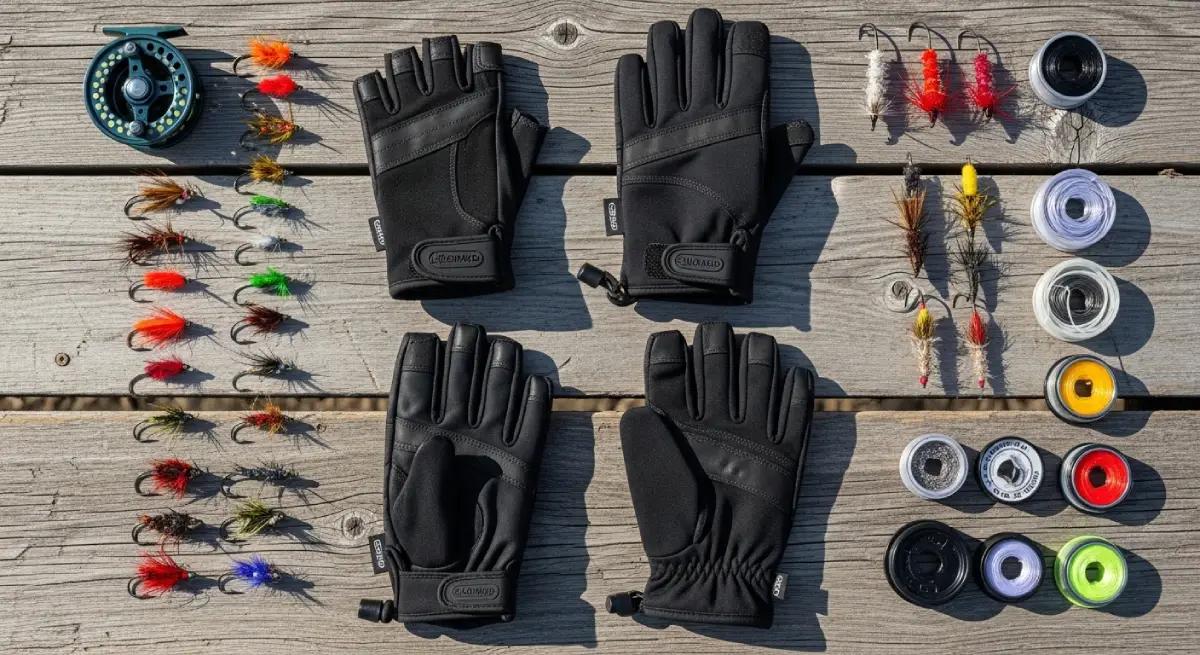
Fold-over mitt gloves combine a half-finger or fingerless base glove with a mitten top that folds back to expose fingers when needed. This is the style most serious cold-weather anglers eventually adopt because it acknowledges fishing reality: you need dexterity for specific tasks (tying knots, changing flies) but warmth the rest of the time (casting, walking between holes). The mitten covers your fingers while you're not actively manipulating tackle, then flips back when you need full hand function. The system works, though the fold-over mechanism adds bulk and the mitten flap can catch on fly line if you're not careful.
Full-finger gloves provide maximum warmth but minimum dexterity. Unless you're fishing in truly extreme conditions where exposed skin risks frostbite, full-finger gloves usually create more problems than they solve. Tying knots becomes difficult or impossible. Line feel disappears. Many anglers buy full-finger insulated gloves thinking they'll appreciate the warmth, then find themselves peeling them off constantly to perform basic fishing tasks. Better to accept slightly colder hands and maintain the ability to actually fish.
Some full-finger gloves include fold-back fingertips—essentially a full glove with slits that allow you to expose individual fingers. These work better than traditional full-finger gloves but still involve more bulk and complexity than most fishing situations require. They're worth considering for genuinely cold conditions, but they're overkill for typical Colorado fly fishing.
The Getting Wet Problem
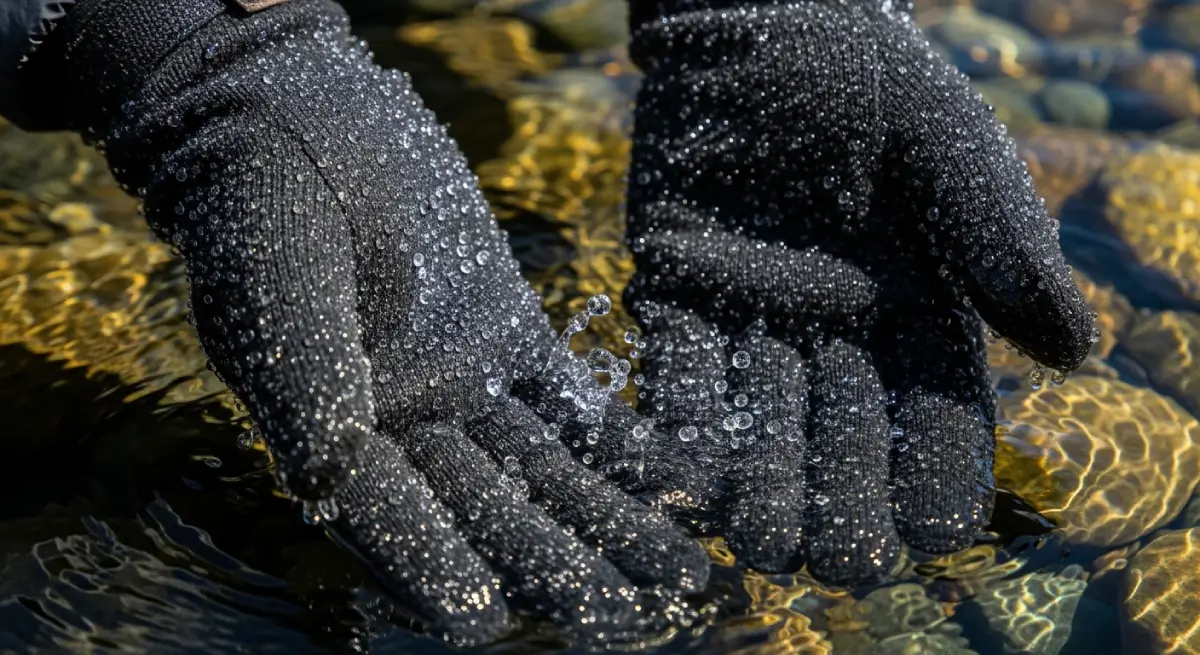
Every fishing glove discussion eventually confronts the same unavoidable reality: fishing gloves get wet. You'll get them wet handling fish, wet releasing tippet tangles, wet adjusting your wading setup, and wet from rain or splashing or just the general wetness that pervades any activity involving standing in moving water. The question isn't whether your gloves will get wet—it's how they perform when wet and how long they stay wet afterward.
This is where material choice becomes critical and where most fishing glove purchases go wrong. Cotton gloves get wet and stay wet, losing essentially all insulating value in the process. Synthetic gloves vary wildly depending on specific material composition. Cheap synthetics often hold water like a sponge. Quality synthetics designed for outdoor use generally manage moisture better but still take significant time to dry.
Wool's wet performance has already been discussed, but it's worth reiterating: wool is essentially the only material that provides meaningful insulation when thoroughly soaked. This single property makes wool gloves the default choice for serious cold-weather fishing unless you're willing to invest in Gore-Tex. The durability concerns with wool are real, but they're secondary to the primary requirement of keeping your hands functional when the gloves inevitably get wet.
Neoprene handles wetness through brute force—it's designed to work while submerged, so getting wet doesn't degrade performance. The problem is you can't dry neoprene gloves during a fishing session. Once they're wet, they stay wet. This matters less if your hands are constantly in cold water anyway, but for wading fishing where your hands alternate between wet and dry, neoprene's inability to dry becomes a liability.
Gore-Tex theoretically keeps your hands dry, but practical reality is more nuanced. Light rain or splashing will bead off due to the DWR (durable water repellent) coating. Sustained exposure or full submersion will eventually allow water penetration, particularly at the wrist opening. Once water gets inside Gore-Tex gloves, it takes a long time to dry because the same membrane that prevents water entry also slows vapor escape when you're dealing with liquid water trapped inside.
The practical solution most experienced anglers adopt is accepting that gloves will get wet and planning accordingly. Bring an extra pair. Take breaks to wring out soaked gloves. On particularly long fishing days, rotate between two pairs so you always have one drying while wearing the other. This isn't elegant, but it works better than expecting any single pair of gloves to stay dry through an entire day of fishing.
What Actually Works in Colorado
Colorado's unique fishing environment—cold water year-round, dramatic daily temperature swings, intense UV exposure, and unpredictable weather—creates specific glove requirements that don't always match recommendations from anglers fishing Midwest tailwaters or coastal streams.
For summer and early fall Colorado fly fishing, thin fingerless sun gloves make more sense than most anglers expect. The primary threat isn't cold but UV exposure at elevation. A lightweight fingerless glove with UPF 50+ protection keeps your hands from getting burned while maintaining full dexterity. When the water is 50 degrees and the air temperature is 75, you don't need insulation. You need sun protection and perhaps light abrasion resistance.
Late fall through early spring represents genuine cold-weather fishing where insulation matters. This is where thin merino wool fingerless or half-finger gloves prove their worth. They provide enough warmth to keep hands functional without sacrificing the dexterity required for technical presentations. Yes, your fingertips will get cold. That's the trade-off for being able to tie size 20 midges without removing your gloves every five minutes. The alternative is warmer gloves that you can't fish in, which defeats the purpose.
The shoulder seasons—late October through November and March through early April—present the most challenging glove selection because conditions vary so dramatically. A 7 AM start might require serious insulation, while by noon you're sweating in a t-shirt. This is where fold-over mitt gloves justify their complexity. The convertible design lets you adapt to changing conditions without carrying multiple glove types.
Deep winter fishing for those rare mild days requires full-finger insulated gloves, preferably wool or fleece rather than neoprene. You're likely fishing streamers or nymphs rather than dry flies, which means less frequent fly changes and less demand for intricate knot work. Prioritize warmth. Accept reduced dexterity. The goal is staying on the water long enough to catch a few fish, not executing perfect presentations.
Rain gear adds another consideration. If you're fishing in rain, your glove choice needs to account for sustained wetness. This is where neoprene or Gore-Tex might make sense despite their limitations. Wool will work but will be heavy with absorbed water. Thin synthetics will be useless. Plan accordingly based on weather forecasts.
The Economics of Not Buying Cheap Gloves
Fishing glove prices range from under $10 to over $100, and the temptation to buy cheap is understandable. But the economics of cheap gloves rarely work out favorably once you factor in replacement costs and lost fishing time.
A $12 pair of generic "fishing gloves" from the discount bin might last a single season of regular use before the stitching fails, the palm coating cracks, or the material loses structural integrity. A $60 pair of quality merino wool gloves from a respected manufacturer might last three or four seasons of hard fishing. The per-season cost actually favors the expensive gloves, and that calculation doesn't even account for the performance difference during their functional life.
The bigger issue is lost fishing time. Inadequate gloves mean cutting trips short when your hands get too cold. It means fumbling with knots because your gloves don't provide enough dexterity. It means constantly removing and replacing gloves as you try to balance warmth and function. The opportunity cost of cheap gloves—the fishing you don't do or don't enjoy because your gear isn't up to the task—vastly exceeds the savings from buying discount products.
This doesn't mean you need to buy the most expensive gloves available. It means understanding that quality fishing gloves are specialized technical gear, and specialized technical gear costs money. A reasonable budget for a versatile pair of fishing gloves is $40-80. You can spend more for premium features like Gore-Tex, and you can occasionally find good deals for less, but that range represents the sweet spot for getting actual performance without paying for features you don't need.
Alternatives to Buying Fishing-Specific Gloves
The outdoor industry's tendency to create fishing-specific versions of products that work fine in their general forms means you're often paying a premium for specialized branding rather than specialized function. Regular cold-weather gloves designed for hiking, running, or cycling will often work perfectly well for fishing at a fraction of the price of dedicated fishing gloves.
The key is matching glove features to fishing requirements rather than assuming fishing gloves are fundamentally different from other outdoor gloves. A thin merino wool liner glove designed for trail running provides nearly identical function to a fingerless fly fishing glove at half the price. A convertible mitt glove intended for winter hiking or cross-country skiing works just as well for fishing as one marketed specifically to anglers.
The exceptions are truly specialized fishing gloves designed for specific situations—filleting gloves with cut-resistant materials, sun gloves with specialized grip patterns, or gloves with fish-handling features. But for basic hand protection while fishing, standard outdoor gloves are usually equivalent to fishing-branded products while costing significantly less.
This approach requires understanding what features actually matter for fishing and evaluating gloves based on those features rather than marketing claims. Does the glove provide appropriate insulation for your fishing conditions? Does it allow adequate dexterity? Will the material perform when wet? If the answers are yes, it doesn't matter whether the manufacturer markets it as a fishing glove or a running glove.
Making the Decision
Choosing fishing gloves comes down to honest self-assessment about your fishing style, the conditions you face most often, and what compromises you're willing to accept. An angler who primarily fishes technical dry fly water in moderate weather has completely different needs than someone pursuing steelhead in near-freezing rivers. Pretending one glove style works for both situations guarantees disappointment.
Start by identifying your most common fishing scenario. Not the occasional trip you'd like to take, but the fishing you actually do most frequently. That scenario dictates your primary glove choice. If you fish Colorado tailwaters from June through September, prioritize sun protection and light weight over insulation. If you chase brown trout on streamers from October through December, prioritize warmth even if it means accepting reduced dexterity.
Consider buying multiple specialized gloves rather than trying to find one do-everything option. A pair of lightweight sun gloves for summer, a pair of thin wool half-finger gloves for moderate cold, and a pair of insulated fold-over mitts for deep cold will cost more upfront than a single mid-range glove, but the system provides better performance across conditions. You're not compromising—you're optimizing for reality.
Pay attention to materials more than brand names. A well-made wool glove from an unknown manufacturer will outperform a poorly made synthetic glove from a premium brand. Understand what each material does and match it to your needs. Don't pay for Gore-Tex if you're fishing in conditions where basic water resistance is sufficient. Don't buy neoprene for situations where breathability matters.
Accept that perfect doesn't exist. Every glove represents trade-offs. Warmer means less dexterous. More waterproof often means less breathable. Less expensive usually means less durable. Make conscious decisions about which compromises you're willing to live with rather than believing marketing promises about products that somehow avoid all trade-offs.
The Bottom Line
Fishing gloves solve specific problems in specific situations, and the glove that works perfectly for one angler's needs might be completely wrong for someone else's. Colorado fly fishing presents unique challenges—cold water year-round, dramatic temperature swings, intense sun exposure, and technical presentations requiring manual dexterity—that inform glove selection in ways that don't always match general fishing advice.
The most important decision is acknowledging the warmth-versus-dexterity trade-off and choosing where on that spectrum your fishing style sits. Everything else follows from that fundamental choice. Material selection, style preferences, and budget decisions all become clearer once you understand what you're actually optimizing for.
Quality matters more than most anglers expect. Cheap fishing gloves fail quickly and perform poorly while they last. The per-season cost of buying quality gloves once is often less than repeatedly buying cheap gloves, and the performance improvement makes the investment worthwhile even if the pure economics didn't favor quality.
And ultimately, the best fishing glove is the one that lets you keep fishing when you'd otherwise quit due to cold or discomfort. Everything else is secondary to that core function. Whether that means a $15 pair of wool fingerless gloves or a $100 pair of Gore-Tex expedition gloves depends entirely on your fishing situation and personal priorities.
The water doesn't care what gloves you're wearing. The trout don't care either. But your hands care, and keeping them functional is what determines whether you're actually fishing or just enduring discomfort while pretending to fish. Get that right and everything else becomes easier.
Mile High Apparel understands what it takes to thrive in Colorado's high-altitude environment. Our fishing-inspired designs celebrate the culture of those who brave cold headwater streams at dawn because that's when the fishing is best. Check out our collection of outdoor apparel built for the authentic mountain lifestyle—because the gear you wear matters almost as much as the gear you fish with.
Shop Colorado-made outdoor apparel at [milehighapparel.com]