
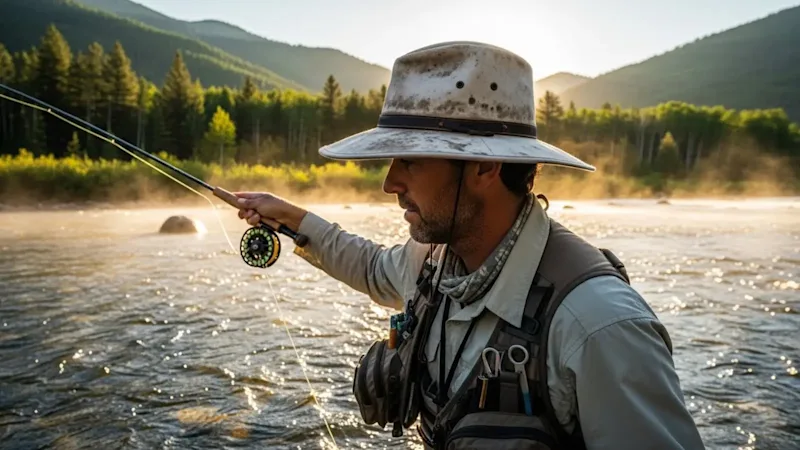
Best Fishing Hats: Sun Protection and Performance for Anglers
Essential sun protection and weather gear for anglers who understand that proper headwear makes the difference between all-day comfort and early exits
Best Fishing Hats: Sun Protection and Performance for Anglers
Here's what most people assume about fishing hats: that any hat works fine on the water, that baseball caps offer adequate sun protection, or that serious anglers don't care what's on their head as long as they catch fish. The reality? The right fishing hat dramatically affects comfort, safety, and endurance during long sessions on the water. The difference between a generic hat and purpose-built fishing headwear becomes painfully obvious after eight hours under Colorado's intense high-altitude sun or during afternoon thunderstorms that roll through mountain valleys.
The gap between casual headwear and actual fishing hats matters more than most anglers realize until they experience sunburned ears, rain-soaked brims that drip into their eyes, or cheap hats that blow off during the first gust of wind. Walk any Colorado trailhead accessing prime fishing waters and you'll see the divide—experienced anglers wearing technical hats designed for all-day sun exposure and variable weather, while newcomers make do with whatever cotton baseball cap happened to be in their truck.
Why Fishing Hats Actually Matter
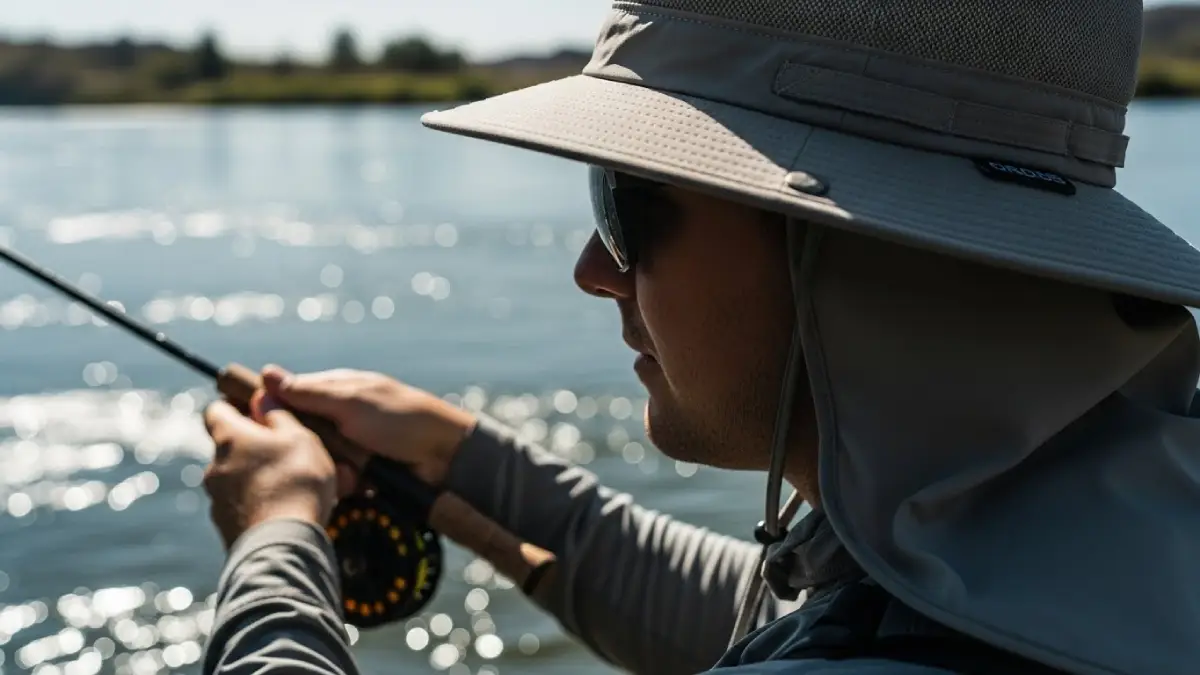
Fishing hats serve multiple critical functions that generic headwear fails to address. They're not fashion statements or team logos—they're functional equipment that enables longer, safer, more comfortable time on the water.
Sun Protection and UV Exposure
Colorado's high-altitude sun delivers significantly more UV radiation than sea-level environments. At elevation, every 1,000 feet increases UV exposure by roughly 8-10%. When you're fishing at 9,000 feet on a mountain stream, you're receiving approximately 30-40% more UV radiation than someone at sea level.
Prolonged sun exposure without adequate protection leads to:
Immediate sunburn and discomfort
Long-term skin damage and premature aging
Significantly increased skin cancer risk
Eye damage from reflected UV off water surfaces
Heat exhaustion and reduced performance
Quality fishing hats provide UPF-rated sun protection for face, neck, and ears—areas that generic baseball caps leave completely exposed. This isn't cosmetic concern—it's health and safety equipment for anyone spending serious time on water.
Weather Protection and Comfort
Mountain weather changes rapidly. Morning bluebird conditions become afternoon thunderstorms within hours. Fishing hats need to handle:
Rain and moisture without becoming soggy and useless
Wind without blowing off or obstructing vision
Cold morning temperatures and midday heat
Sweat management during active fishing
Quick-dry performance when wet
Generic hats absorb water, lose shape when wet, and either blow off in wind or require constant adjustment. Purpose-built fishing hats solve these problems through material selection and design features that maintain functionality across variable conditions.
Vision and Glare Management
Water surface glare creates eye strain and reduces ability to read water, spot fish, and track flies. While polarized sunglasses address some of this, hat brims provide crucial additional glare reduction.
The right brim width and shape:
Blocks overhead sun from eyes
Reduces glare from water surfaces
Improves contrast for spotting fish
Reduces eye fatigue during long sessions
Enhances ability to track flies and indicators
Inadequate brim coverage means squinting through glare all day—not just uncomfortable but actively harmful to fishing effectiveness.
Temperature Regulation
Hats significantly affect overall body temperature regulation. Your head dissipates substantial heat, and covering it improperly can lead to overheating. Conversely, inadequate head coverage in cold conditions causes rapid heat loss.
Quality fishing hats balance:
Sun protection with ventilation
Coverage with breathability
Warmth when needed with cooling when active
Moisture management to prevent sweat accumulation
This balance keeps you fishing longer without temperature-related discomfort forcing early exits.
Types of Fishing Hats and When to Wear Them
Different fishing hat styles serve distinct purposes. Understanding which style works for your specific conditions and fishing approach maximizes their effectiveness.
Wide Brim Fishing Hats
Wide brim hats—typically 3-4 inch brims extending around the entire circumference—provide maximum sun protection for face, ears, and neck. These work exceptionally well for:
Ideal conditions:
All-day sun exposure on open water
High-altitude fishing with intense UV
Float trips and drift boats
Wade fishing in exposed environments
Summer fishing requiring maximum coverage
Design features:
UPF 50+ sun protection
Chin straps to prevent wind loss
Moisture-wicking sweatbands
Crushable construction for packing
Lightweight, breathable materials
Limitations:
Can catch wind when casting
Brim may interfere with pack straps
Less ideal for heavily wooded streams
Requires secure chin strap attachment
Wide brim hats work best for situations prioritizing sun protection over aerodynamics. For Colorado's exposed high-country lakes and open tailwaters, they're often the smartest choice.
Baseball Cap Style Fishing Hats
Traditional baseball cap silhouettes remain popular among anglers for good reason—they're familiar, functional, and don't interfere with casting or movement.
Advantages:
No wind resistance during casting
Works under rain jacket hoods
Familiar fit and comfort
Easy to pack and transport
Doesn't interfere with backpack straps
Fishing-specific features:
Extended bills for better glare protection
UPF-rated technical fabrics
Quick-dry, moisture-wicking materials
Adjustable closures that work when wet
Dark underbill to reduce glare reflection
Protection gaps:
Leaves ears and neck exposed
Requires additional sun protection (sunscreen, buffs)
Less effective in sustained rain
Minimal weather protection
Baseball style fishing caps work well for mobile fishing—hiking between spots, fishing small wooded streams, or situations where minimal bulk matters. Pair them with neck gaiters or buffs for adequate sun protection.
Bucket Hats for Fishing
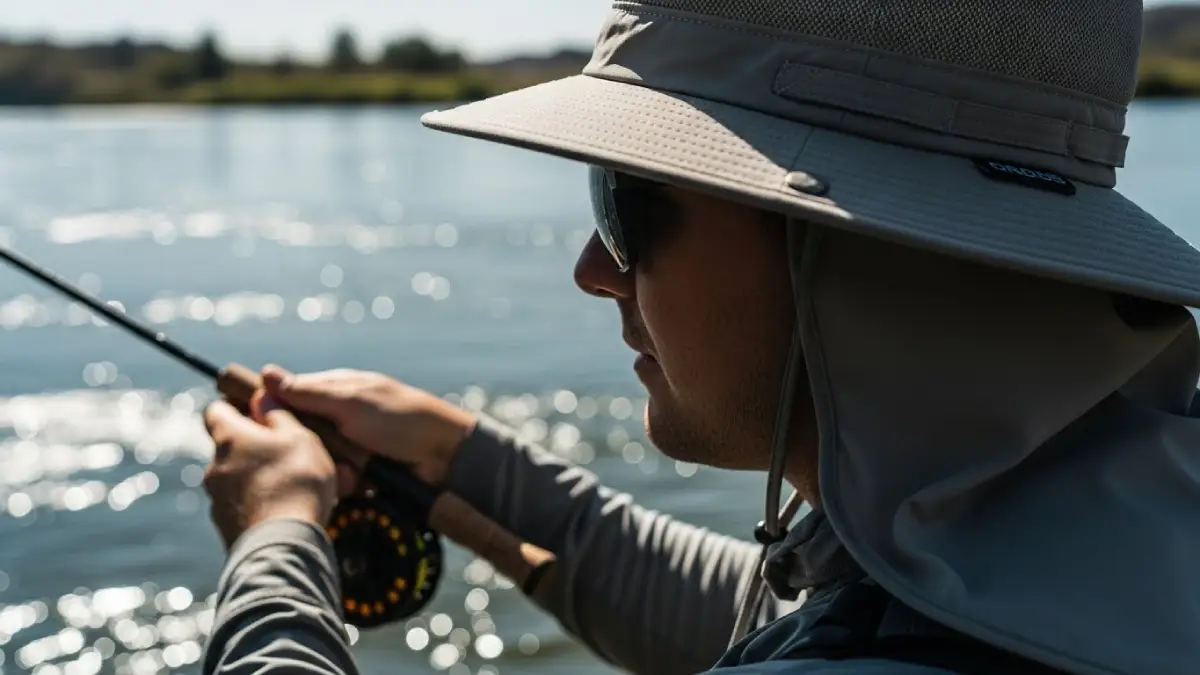
Bucket hats provide excellent all-around coverage with a casual, low-profile aesthetic. They've experienced renewed popularity among younger anglers and those preferring less structured headwear.
Bucket hat benefits:
360-degree brim coverage
Packable and crushable
Casual, relaxed fit
Good sun protection
Works well with sunglasses
Fishing-specific versions include:
Technical quick-dry fabrics
UPF sun protection ratings
Mesh ventilation panels
Adjustable chin cords
Interior pockets for flies or small items
Considerations:
Less structured brim can flop in wind
May need adjustment during active fishing
Brim width varies significantly between models
Some anglers find them less comfortable than alternatives
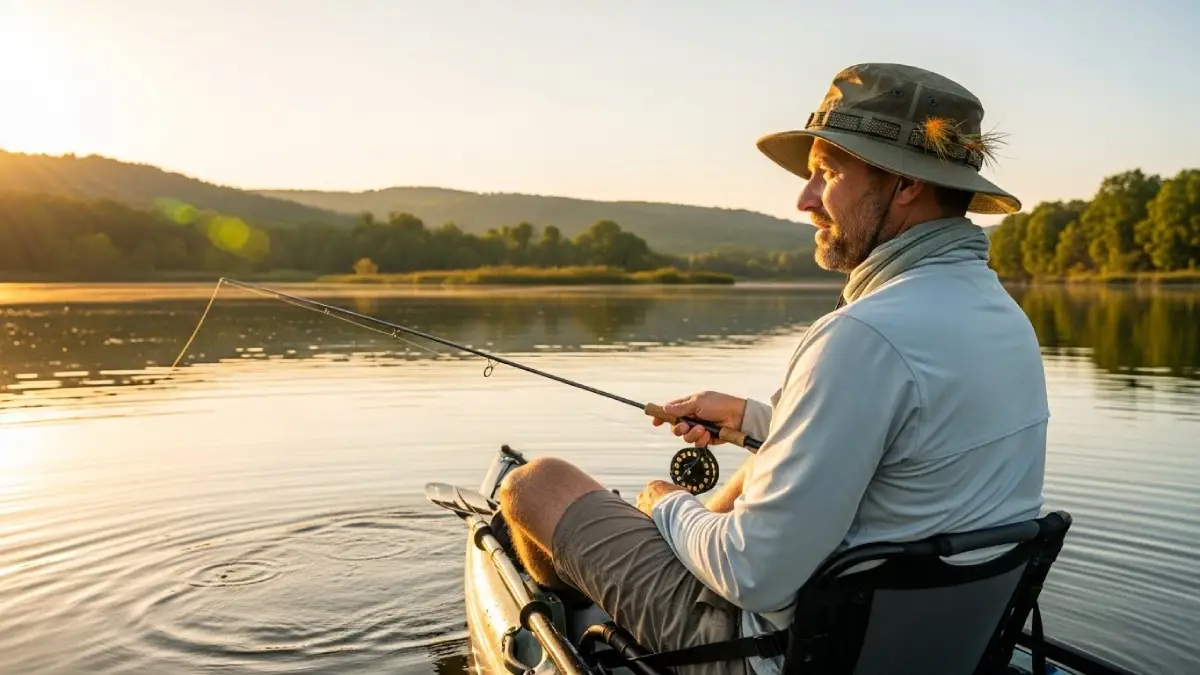
Bucket hats work particularly well for kayak fishing, float tube fishing, or situations where you're less mobile and can optimize fit without constant readjustment.
Visors for Specific Fishing Situations
Fishing visors provide minimal coverage but maximum ventilation and visibility. They're niche products for specific conditions.
When visors work:
Cool weather when warmth isn't needed
Maximum ventilation requirements
Situations prioritizing peripheral vision
Anglers who overheat easily in full hats
Dawn and dusk when sun angle is low
Visor limitations:
No top-of-head sun protection
Minimal weather protection
Leaves scalp exposed to UV
Not suitable for sustained sun exposure
Use visors strategically—early morning sessions, cool weather fishing, or as part of layered sun protection with sunscreen application. Don't rely on them for all-day summer fishing.
Neck Flap and Cape Hats
Hats with attached neck flaps or capes provide maximum coverage for extreme sun exposure situations. Popular in saltwater fishing, they're increasingly adopted by high-altitude and desert anglers.
Maximum protection features:
Removable or deployable neck capes
Full ear coverage
Face shields or masks in some models
UPF 50+ rated materials throughout
Often include ventilation mesh
Best applications:
Extreme sun exposure environments
High-altitude fishing above treeline
All-day float trips without shade
Fishing in reflective environments (snow, ice)
Anglers with high skin cancer risk
Trade-offs:
Can be too warm in some conditions
More complex than simple hats
Higher cost for additional features
May feel excessive for mild conditions
These specialized hats serve specific extreme needs. Don't dismiss them as overkill if you regularly fish in harsh sun conditions—skin cancer from cumulative UV exposure is serious business.
Materials That Matter in Fishing Hats
Hat materials determine performance, durability, and comfort across varying conditions. The difference between quality fishing hat fabrics and generic materials becomes obvious through extended use.
Synthetic Performance Fabrics
High-quality polyester and nylon blends dominate fishing hats for good reasons:
Performance advantages:
Rapid moisture wicking away from skin
Quick-dry performance when wet
Maintains shape and structure
Resists mildew and odor
Durable through repeated use
Typically includes UPF sun protection
Modern synthetic fishing hat fabrics bear little resemblance to cheap polyester. Look for technical fabrics engineered specifically for outdoor performance—these feel comfortable against skin, breathe effectively, and last through seasons of hard use.
Cotton: When It Works and When It Fails
Traditional cotton fishing hats offer comfort and breathability in dry conditions but fail dramatically when wet.
Cotton advantages:
Natural fiber feel
Breathable in dry conditions
Classic aesthetic
Comfortable and soft
Affordable pricing
Cotton failures:
Absorbs and retains moisture
Heavy and uncomfortable when wet
Slow drying time
Loses shape when soaked
No inherent UV protection
Save cotton hats for dry conditions, short sessions, or casual fishing where performance isn't critical. Don't rely on cotton for serious all-day fishing or variable weather conditions.
Mesh Panels and Ventilation
Strategic mesh panels in fishing hats provide crucial ventilation without sacrificing structure or sun protection.
Effective mesh placement:
Crown panels for heat escape
Side panels for airflow
Strategic positioning maintaining UPF protection
Durable mesh that survives brush and branches
Quality mesh integration maintains hat structure while significantly improving comfort during active fishing. Cheap mesh panels create weak points that fail quickly.
Water-Resistant and Quick-Dry Treatments
DWR (durable water repellent) treatments cause water to bead off hat surfaces rather than soaking in. This isn't waterproofing—just temporary moisture resistance.
Benefits of water-resistant fishing hats:
Rain beads off rather than soaking in
Faster drying when wet
Maintains lighter weight
Reduces dripping into eyes
Better performance in morning dew
These treatments diminish over time and washing but can be reapplied. They're valuable features but not substitutes for proper rain gear in sustained precipitation.
Critical Fishing Hat Features
Beyond basic style and materials, specific features separate purpose-built fishing hats from generic headwear.
Brim Width and Shape
Brim dimensions dramatically affect sun protection and functionality.
Brim width considerations:
2-2.5 inches: Minimal protection, less wind resistance
3-3.5 inches: Balanced protection and functionality
4+ inches: Maximum protection, requires secure attachment
Brim shape factors:
Flat vs. curved affects water runoff
Rigid vs. soft affects wind performance
Dark underbill reduces glare reflection
Forward extension affects face coverage
Choose brim dimensions based on your primary fishing conditions and personal tolerance for bulk.
Chin Straps and Retention Systems
Wind will blow off any hat without proper retention. Quality fishing hats include effective attachment systems.
Retention options:
Adjustable chin straps with cord locks
Breakaway attachments for safety
Behind-head straps for less intrusive fit
Integrated retention vs. removable systems
Test retention systems before relying on them. Cheap chin straps fail when you need them most—during wind gusts or while landing fish.
Adjustability and Sizing
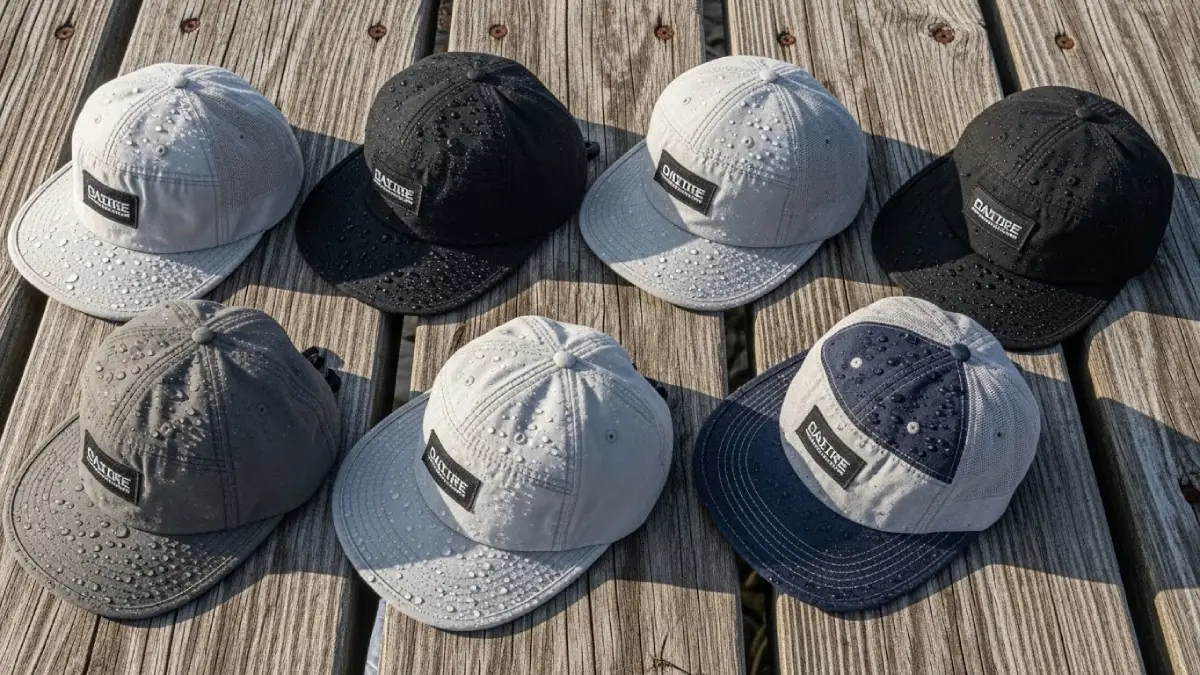
Proper fit determines comfort and performance. Quality fishing hats accommodate different head sizes and shapes.
Adjustment mechanisms:
Hook-and-loop closures (maintain grip when wet)
Snapback adjustments (simple, durable)
Elastic drawcords (flexible fit)
Fitted sizing (no adjustment needed)
Adjustable closures that work reliably when wet separate fishing-specific hats from generic options. Standard metal buckles corrode; quality fishing hats use corrosion-resistant materials.
UPF Sun Protection Ratings
UPF (Ultraviolet Protection Factor) ratings indicate how much UV radiation fabrics block.
UPF rating scale:
UPF 15-24: Good protection (93.3-95.8% UV blocked)
UPF 25-39: Very good protection (96-97.4% UV blocked)
UPF 40-50+: Excellent protection (97.5-98+% UV blocked)
For serious fishing, target UPF 40-50+ rated hats. The difference in UV exposure over cumulative hours matters significantly for long-term skin health.
Dark Underbill Technology
Underbill color affects glare management. Dark underbills (typically black or dark gray) absorb light rather than reflecting it into your eyes.
This seems minor but makes measurable difference in eye strain and ability to spot fish in bright conditions. Quality fishing hats consistently feature dark underbills for this reason.
Sweatband Quality
Interior sweatbands manage moisture and affect overall comfort during long sessions.
Effective sweatband features:
Moisture-wicking materials
Adequate width (1+ inch)
Comfortable against skin
Antimicrobial treatments
Durable construction
Poor sweatbands cause forehead irritation, fail to manage moisture effectively, and deteriorate quickly. This detail separates quality hats from cheap alternatives.
Choosing Fishing Hats for Different Angling Styles
Your primary fishing approach determines optimal hat selection.
Fly Fishing Hats
Fly fishing demands hats that don't interfere with casting motion or catch fly line.
Fly fishing hat priorities:
Streamlined profile (doesn't catch line)
Secure fit during casting motion
Good sun protection for all-day sessions
Lightweight to prevent fatigue
Quick-dry for wade fishing
Baseball cap style or moderate brim hats work best for most fly fishing. Extremely wide brims can interfere with backcasts and overhead casts.
Spin and Conventional Fishing Hats
Conventional fishing typically involves less continuous casting motion, allowing slightly bulkier or wider-brim options.
Conventional fishing hat features:
Maximum sun protection options viable
Can accommodate heavier materials
Pockets for terminal tackle useful
Less concern about aerodynamics
Wide brim hats work excellently for boat fishing, bait fishing, or situations with long stationary periods.
Kayak and Float Tube Fishing Hats
Paddling anglers need hats compatible with life jackets and PFDs while providing protection during extended sun exposure.
Kayak fishing hat requirements:
Secure chin strap essential
Compatible with PFD straps
Sun protection for stationary positions
Floats if it blows off (some models)
Quick-dry for inevitable wetness
Wide brim hats with reliable retention systems work well. Some kayak anglers prefer bucket hats for their casual comfort during long paddles.
Ice Fishing and Cold Weather Hats
Winter fishing requires warmth over ventilation and sun protection.
Cold weather fishing hats:
Insulated materials (fleece, wool)
Ear coverage essential
Wind protection
Moisture-wicking despite insulation
Compatible with face masks or buffs
These specialized hats often don't resemble traditional fishing hats—they're closer to winter beanies or insulated caps designed for extreme cold.
Fishing Hat Colors and Visibility
Hat color affects both fish spooking and personal safety.
Earth Tones and Camouflage
Traditional fishing wisdom suggests neutral colors (tan, olive, gray) reduce fish spooking by minimizing angler visibility against natural backgrounds.
Low-visibility color choices:
Tan and khaki (blend with earth)
Olive and forest green (blend with vegetation)
Gray and stone (blend with rocks and overcast)
Subdued blues (blend with sky)
For wary trout in clear water, subtle hat colors may reduce spooked fish. The degree of difference is debatable, but many experienced anglers prefer neutral tones.
Bright Colors for Safety
In some environments, visibility to other people matters more than invisibility to fish.
High-visibility applications:
Float trips with boat traffic
Crowded fishing areas
Hunting seasons in shared use areas
Emergency situations requiring visibility
Bright orange, yellow, or red hats ensure other anglers, boaters, or hunters see you clearly.
Personal Preference and Style
Ultimately, unless you're fishing extremely technical waters for exceptionally wary fish, hat color probably matters less than hat function. Wear what you like and what keeps you fishing comfortably.
Budget Considerations for Fishing Hats
Fishing hats range from $15 generic options to $60+ premium fishing-specific models.
Budget Tier ($15-25)
Basic fishing hats provide minimal functionality at low cost.
What you get:
Simple construction
Basic materials
Generic UPF protection
Standard adjustability
Limited durability
Trade-offs:
Won't last through heavy use
Minimal technical features
Comfort issues during long sessions
May need replacement each season
Budget hats work for occasional anglers or backup hats kept in vehicles.
Mid-Range ($25-40)
Mid-range fishing hats offer legitimate performance at reasonable prices.
Mid-range features:
Quality technical fabrics
Good UPF ratings (40-50+)
Effective moisture management
Decent durability
Thoughtful design details
Value proposition: Most anglers find mid-range hats offer best balance of performance and cost. These hats last multiple seasons with care.
Premium ($40-60+)
High-end fishing hats justify cost through superior materials, construction, and longevity.
Premium hat advantages:
Best available technical fabrics
Maximum durability
Thoughtful feature integration
Often include warranties
Consistent performance through years
When premium makes sense:
Regular anglers logging hundreds of hours
Extreme conditions requiring best performance
Preference for buy-once-cry-once approach
Premium hats aren't necessary for everyone but provide measurable value for serious anglers.
Caring for Fishing Hats
Proper care extends hat life and maintains performance.
Cleaning and Washing
Most fishing hats benefit from regular washing to remove sweat, fish slime, and dirt.
Washing guidelines:
Hand wash preferred for longevity
Cold water with mild detergent
Avoid fabric softeners (reduce wicking)
Gentle machine wash acceptable for durable models
Air dry completely before storage
Frequent washing maintains hygiene and performance. Don't let sweat and grime accumulate for extended periods.
Storage and Transport
Store hats properly to maintain shape and prevent damage.
Storage recommendations:
Clean before long-term storage
Store in cool, dry locations
Avoid crushing under heavy items
Allow complete drying before storage
Use hat clips or hooks rather than tossing in bags
Many fishing hats crush or fold intentionally for transport—these features only work if you don't damage structure through careless packing.
Replacing Worn Hats
Recognize when hats need replacement rather than trying to extend past useful life.
Replacement indicators:
Sweatbands deteriorating
Fabric losing UPF protection
Structural collapse or shape loss
Chin straps failing
Persistent odors despite washing
Hats are relatively inexpensive safety equipment. Replace them when performance degrades rather than risking inadequate sun protection.
The Philosophy of Fishing Hats
For anglers who pursue fishing beyond recreation—as meditation, therapy, or spiritual practice—every piece of gear carries meaning. Your fishing hat isn't just sun protection. It's the crown you wear while engaging in pursuit older than civilization, practice that connects you to fundamental truths about patience, attention, and the relationship between predator and prey.
The right fishing hat becomes part of fishing ritual. You put it on during that predawn drive toward water, and putting it on signals transition from regular world to fishing world. It shades your eyes while you work water for hours, protects you from elements while you pursue something that can't be purchased or guaranteed.
When you're standing in moving water watching rises, when you're reading currents and selecting flies, when you're experiencing the specific clarity that only comes from sustained attention on wild water—your hat is there, doing its job so you can do yours.
Finding Fishing Hats That Work
Mile High Apparel creates fishing hats for anglers who understand that time on water represents more than recreation. Our hats combine technical performance—UPF 50+ sun protection, moisture-wicking fabrics, secure retention systems—with designs acknowledging the deeper dimensions of why you fish.
Whether you're pursuing technical tailwater trout, exploring remote headwater streams where cryptids might be your only witnesses, or simply seeking the peace that wild water provides, your fishing hat should work as hard as you do while reflecting what fishing actually means.
We design fishing hats specifically for demanding conditions: intense high-altitude UV, rapid weather changes, and the reality that serious anglers spend entire days exposed to elements. Our hats protect you from sun damage, keep you comfortable through variable weather, and acknowledge that some of us fish not for sport but for sanity.
The best fishing hats aren't just equipment—they're essential tools enabling longer, safer, more effective time pursuing what matters most. Choose wisely, wear them well, and keep fishing.